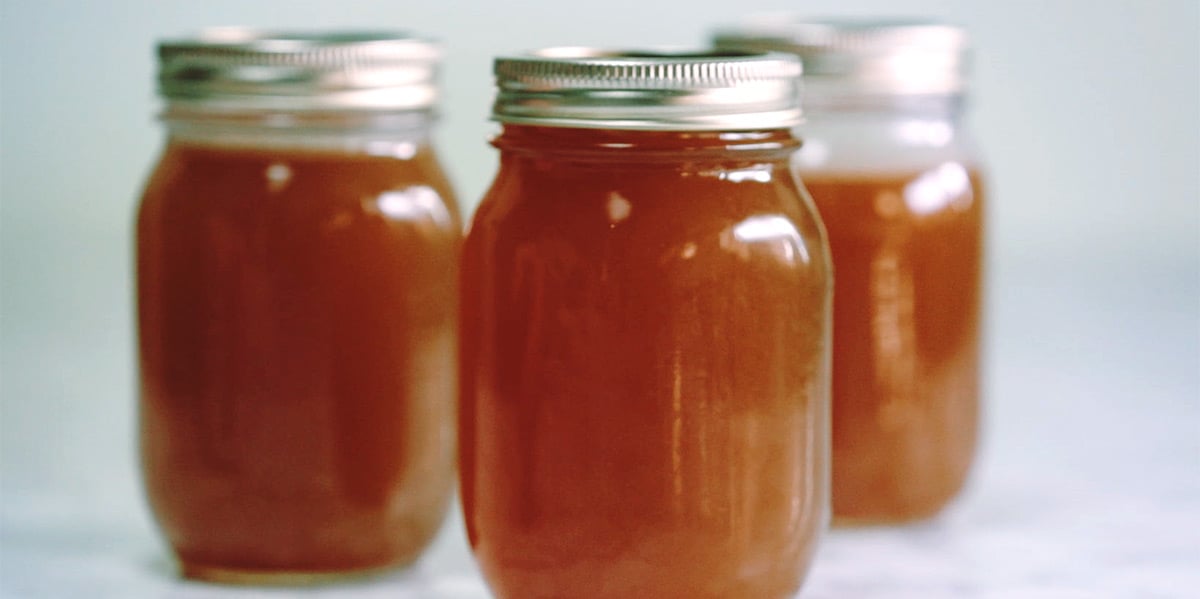
The Timeless Elixir: Why Beef Broth Matters for Your Health
In an age dominated by convenience foods, the wisdom of ancient culinary traditions often holds the most potent secrets to well-being. Among these, homemade beef broth stands out as a genuine superfood, revered for centuries across cultures. More than just a flavorful base for soups and stews, this humble liquid is a powerhouse of nutrients, offering profound benefits for everything from joint health to gut integrity and radiant skin. It's a foundational component of what many call "Real Food," offering a gentle yet effective way to nourish your body deeply.
At its core, beef broth is a collagen-rich elixir, brimming with essential minerals. Collagen, derived from the breakdown of connective tissues and bones during a slow simmer, transforms into gelatin, a highly bioavailable protein. This gelatin provides crucial amino acids like proline, glycine, and glutamine, which are vital for repairing and maintaining the lining of your digestive tract, often referred to as your "second brain." A healthy gut is fundamental for nutrient absorption, immune function, and even mood regulation.
Beyond gut health, the benefits extend to your structural integrity. The gelatin in beef broth is a natural source of compounds like glucosamine and chondroitin, which are celebrated for their role in supporting joint health, reducing inflammation, and potentially alleviating discomfort associated with conditions like arthritis. Furthermore, the slow cooking process efficiently extracts a spectrum of vital minerals from the bones, including calcium, magnesium, phosphorus, and potassium. These minerals are indispensable for strong bones, healthy teeth, nerve function, muscle contraction, and countless enzymatic reactions throughout the body.
Beyond its profound nutritional profile, a well-made beef broth offers an unparalleled depth of flavor, capable of transforming ordinary dishes into extraordinary culinary experiences. It’s a versatile ingredient that elevates any recipe, providing a savory umami richness that packaged stocks simply cannot replicate.
Mastering the Art: How to Make Beef Broth Stock at Home
While the concept of making your own beef broth might seem daunting at first, the truth is, it's surprisingly straightforward. The beauty of homemade broth lies in its flexibility; you can make it as simple or as elaborate as you desire, depending on your goals and the ingredients you have on hand. The primary goal remains consistent: to extract maximum flavor and nutrients from the bones. Let's dive into how to make beef broth stock that's both delicious and incredibly good for you.
Choosing Your Bones: The Foundation of Flavor & Nutrition
The quality and type of bones you use are paramount to the resulting broth's flavor profile and nutritional density. While almost any beef bones will contribute valuable minerals, optimizing your selection will yield superior results:
- Meaty Bones with Marrow: Often sold as "soup bones" by butchers, these include femur bones, knuckle bones, or neck bones. The marrow is a treasure trove of nutrients, while the attached meat and connective tissue provide the rich, savory flavor that defines a great beef broth.
- Gelatinous Bones: For a truly collagen-rich broth that gels beautifully when chilled, prioritize bones high in cartilage and connective tissue. Think oxtail, knuckles, hooves, or even a piece of skull. These are the unsung heroes that contribute the most gelatin, glucosamine, and chondroitin, vital for joint and gut health.
- Ribs & Vertebrae: These can add good flavor and some minerals, though typically less gelatin than the more cartilage-rich options.
Tip: Don't hesitate to talk to your local butcher. They are an invaluable resource for sourcing high-quality, often grass-fed, bones and can recommend the best cuts for broth. A mix of meaty and gelatinous bones is often the perfect combination for a balanced, nutrient-dense broth. For more detailed insights on bone selection and preparation, explore our guide on Perfect Beef Broth: Best Bones, Roasting, and 24-Hour Simmer.
The Roasting Revelation: Unlocking Deep Flavors
This step is crucial for developing the rich color and complex, savory depth that distinguishes an exceptional beef broth. While optional, it's highly recommended for meaty bones:
- Preheat & Prepare: Place your meaty bones (and any others you wish to roast) in a single layer in a large roasting pan.
- Roast to Perfection: Roast in a 350°F (175°C) oven for 30-45 minutes, or until the bones are deeply browned. This browning process, known as the Maillard reaction, creates hundreds of new flavor compounds that will infuse your broth.
- Skip if Pre-Cooked: If you're using bones from a roast you've already cooked (like a beef shoulder or leg roast), you can skip this step as they've already undergone the necessary browning.
The Simmering Secret: Extracting Every Nutrient
With your bones ready, it's time for the long, slow simmer – the heart of making beef broth stock.
- Assemble in Pot: Transfer your roasted bones and any unroasted gelatinous bones to a large stockpot.
- Add Acid: Pour in 1-2 tablespoons of apple cider vinegar or lemon juice. This isn't for flavor (though it contributes a subtle brightness) but rather to help draw precious minerals, like calcium and magnesium, out of the bones and into your broth.
- Cover with Water: Fill the pot with cold water, ensuring all the bones are fully submerged by at least an inch or two. Using cold water helps to slowly extract impurities and contributes to a clearer broth.
- Bring to a Boil, Then Simmer: Place the pot on the stovetop and bring it to a rolling boil over high heat. As soon as it boils, reduce the heat immediately to the lowest setting to maintain a gentle simmer. You should see occasional small bubbles, not a vigorous boil.
- Skim the Scum: As the broth heats and begins to simmer, impurities will rise to the surface in the form of a grayish foam or "scum." Gently skim this off with a ladle or spoon and discard it. This step is important for a clearer, cleaner-tasting broth. You may need to do this a few times during the first hour or two.
- The Long Cook: This is where patience pays off. Allow your beef broth to simmer for a minimum of 24 hours, and up to 48 hours. For larger animal bones like beef, a longer cook time ensures maximum nutrient extraction. For reference, chicken bones might only need 6-8 hours, and fish just 2-3 hours. Remember to check the water level periodically and add more hot water if the bones become exposed.
- Optional Aromatics & Seasoning: About 2-4 hours before you plan to finish cooking, you can add vegetables and herbs if desired. Common additions include carrots, celery, onions, garlic, bay leaves, and peppercorns. If you have vegetable scraps (onion peels, carrot ends) saved, this is an excellent use for them! Avoid adding salt until the very end, as the broth will reduce and concentrate its flavors, making it easy to over-salt prematurely.
For more actionable advice on creating the most nutrient-rich and flavorful broth, read our guide on Homemade Beef Broth: Easy Steps for Maximum Flavor & Nutrients.
Alternative: Instant Pot Method for Speed & Efficiency
If you're short on time but still want the benefits of homemade broth, a pressure cooker or Instant Pot is a fantastic alternative. While it doesn't quite replicate the slow, gentle extraction of a stovetop simmer, it significantly reduces cooking time while still yielding a rich, collagen and mineral-dense broth. Typically, beef broth can be made in an Instant Pot in 3-4 hours on high pressure, followed by natural release.
Tips for a Perfect Batch Every Time
- Quality Matters: Whenever possible, opt for bones from grass-fed, pasture-raised cattle. These animals generally have a better nutritional profile, which translates to a more nutrient-dense broth.
- Don't Overcrowd: Ensure your pot isn't overly packed with bones. They need space to allow water to circulate effectively and extract nutrients.
- Gentle Simmer is Key: A rolling boil emulsifies fats and can make your broth cloudy. A very gentle simmer ensures a clear, beautiful broth.
- Strain Properly: Once cooked, carefully strain your broth through a fine-mesh sieve. For an even clearer broth, line the sieve with cheesecloth. Let it cool completely before storing.
- Fat Removal: After chilling in the refrigerator, a layer of solidified fat will form on top. This fat acts as a natural seal, preserving the broth. You can remove it and discard it (or save it for cooking!) before reheating the broth.
Beyond the Mug: Creative Uses for Your Homemade Broth
Once you've mastered how to make beef broth stock, you'll find endless ways to incorporate this liquid gold into your diet:
- Sip It Straight: A warm mug of savory beef broth is incredibly comforting and an excellent way to get a nutrient boost any time of day, much like tea or coffee.
- Soup & Stew Base: This is its most classic use, providing an unparalleled depth of flavor to any soup, stew, or chili.
- Sauces & Gravies: Use it to deglaze pans, create rich reductions, or as the liquid component in homemade gravies.
- Cooking Grains: Replace water with broth when cooking rice, quinoa, or other grains for an added layer of flavor and nutrition.
- Braising Meats: It's the perfect liquid for slow-cooking tougher cuts of meat until they are fall-apart tender.
Making your own beef broth stock is a rewarding endeavor that connects you to traditional cooking methods and provides a powerful, natural boost to your health. With its abundant collagen, essential minerals, and deep, savory flavor, it's more than just an ingredient – it's a cornerstone of holistic wellness. Embrace the simple process, and you'll soon discover the incredible benefits and versatility of this ancient health elixir.
